Easy Highly Rated Mac And Cheese Cheddar Mozzarella Gruyere
Generated: 2026-05-08 18:26
Cuisine: All
Focus: all
The secret professional kitchens have always known: mac and cheese isn't about the recipe, it's about emulsification — and once you understand why cheese sauce breaks (and how to stop it), every version you make will be silkier, stretchier, and more deeply flavored than anything that ever came out of a blue box.
The Universal Technique: Building a Cheese Sauce That Never Breaks
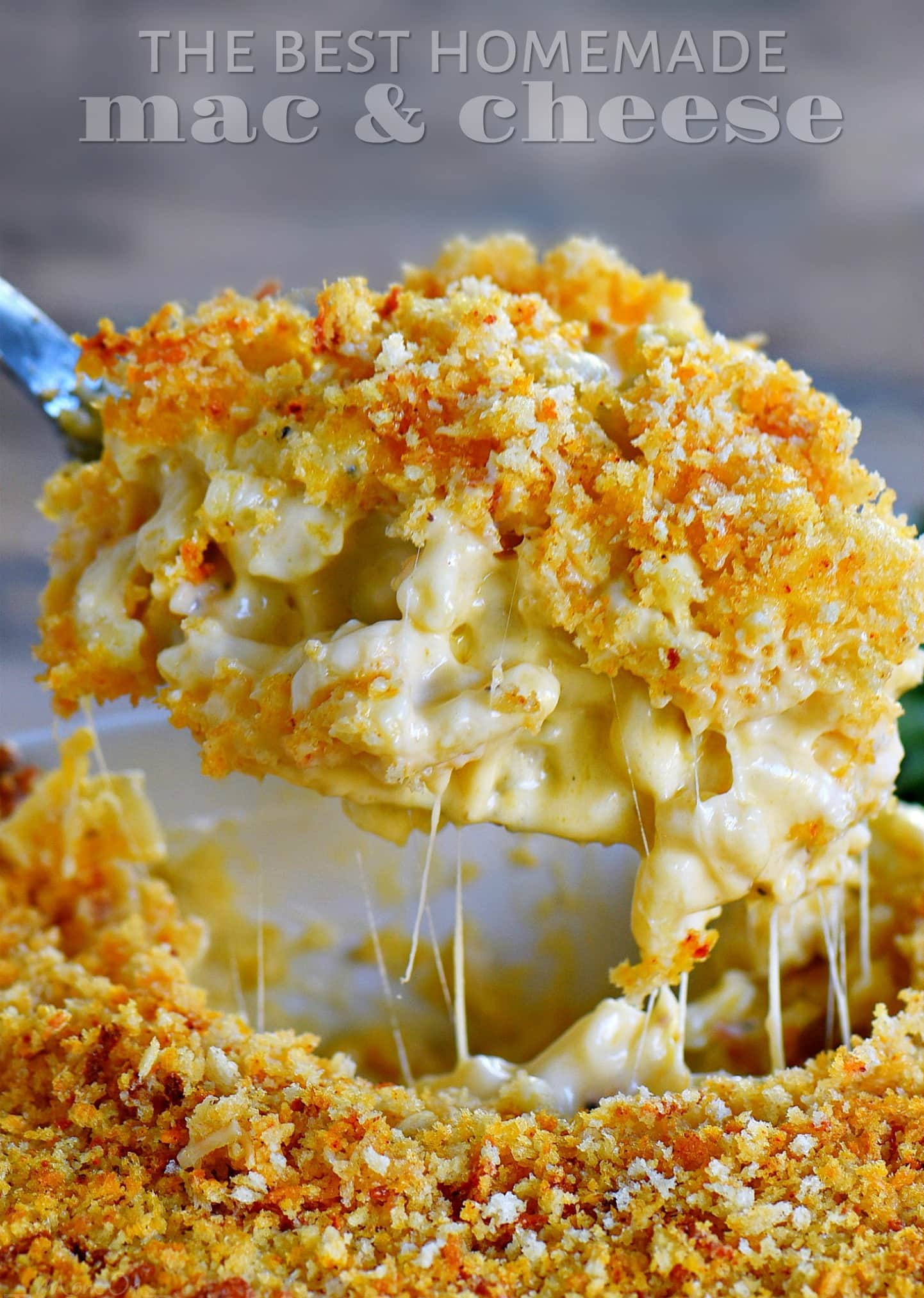
This is the foundational knowledge that separates a glossy, velvety sauce from a greasy, grainy disaster. Master this before you touch a single recipe.
1. Understand why cheese breaks. When cheddar or gruyère heats past roughly 90°F without stabilization, the fat globules pool, the proteins seize into rubbery strands, and the water separates. You end up with an oily mess. The fix is always the same: introduce an emulsifier before the cheese goes in. Your options are a roux (butter + flour), evaporated milk's concentrated protein micelles, sodium citrate, or American cheese's built-in emulsifying salts. Pick one. Don't skip it. (Serious Eats / Kenji López-Alt.com/the-food-labs-ultra-gooey-stovetop-mac-cheese))
2. Grate your own cheese. Pre-shredded cheese is coated in cellulose or potato starch to prevent clumping in the bag — which also prevents it from melting smoothly into a sauce. Buy blocks, grate them yourself. A food processor with a shredding disc does a pound in under 60 seconds. (Serious Eats)
3. Add cheese off the boil, in increments. Once your base (béchamel, evaporated milk, or sodium citrate solution) is hot and thickened, pull the heat to medium-low. Add cheese in three or four additions, whisking each one fully incorporated before adding the next. Boiling cheese sauce is how you get grit. (Epicurious / Martha Stewart.com/recipes/food/views/macaroni-and-cheese-393914))
4. Season in layers. The flavor amplifiers — mustard powder, hot sauce, garlic powder, cayenne, nutmeg — don't taste like themselves in the finished dish. They exist to make the cheese taste more like cheese. Add them after the cheese is melted, taste, and adjust. Every top-rated recipe from Serious Eats to Food & Wine uses at least three of these.
5. Undercook your pasta by 2 minutes. Whether you're baking or serving stovetop, the pasta continues cooking in the sauce. Pull it 2 minutes before the package says al dente. Rinse under cold water only if you're baking (stops cooking, removes excess surface starch that would make the sauce mealy). For stovetop, skip the rinse — you want that starch. (Serious Eats)
6. Fold in extra cheese at the end. The sauce provides creaminess; the folded-in cheese provides stretch, pockets of intense flavor, and that pull when you scoop. Use gruyère here — its nutty funk is more pronounced when it melts in chunks than when it's fully incorporated into the sauce. (Serious Eats / Daniel Gritzer)
> Pro Tip: "I worked a full pound and a half of cheese into a mere two cups of béchamel — this is a very cheesy sauce. Then I fold in an additional half pound of grated cheese. That's going to provide those pockets of stretch and full-on cheesiness." — Daniel Gritzer, Editorial Director, Serious Eats
Category 1: The Weeknight Stovetop Builds — Fast, Creamy, No Oven Required
These are the recipes you reach for on a Tuesday. No baking dish, no breadcrumbs, no 45-minute oven time. Just a pot, some cheese, and dinner in under 20 minutes.
1. Kenji's 3-Ingredient Stovetop Mac — *The Benchmark for Effort-to-Result Ratio*
Time: 8 min active / 15 min total | Difficulty: Easy | Yield: 2 servings | Est. Macros: 34g protein / 57g carbs / 37g fat per serving
This is the recipe that rewired how serious home cooks think about mac and cheese. Inspired by cacio e pepe's technique of cooking pasta in minimal water to concentrate starch, Kenji López-Alt discovered that the starchy cooking liquid combined with evaporated milk's protein micelles creates a naturally emulsified sauce — no roux, no flour, no fuss. The "6-6-6" ratio (6 oz pasta, 6 oz evaporated milk, 6 oz cheese) is genuinely foolproof and scales perfectly.
Key Ingredients:
- 6 oz (170g) elbow macaroni
- 6 oz (180ml) evaporated milk
- 6 oz (170g) grated cheddar, gruyère, fontina, or any combination
- Pinch of kosher salt
- Optional upgrades: dash of hot sauce, ½ tsp mustard powder, 1 tbsp butter
The Method:
- Place macaroni in a medium saucepan. Add just enough cold water to cover (not a full pot — this is intentional). Add a pinch of salt. Bring to a boil over high heat, stirring frequently to prevent sticking.
- Cook, stirring constantly, until water is almost completely absorbed and pasta is just shy of al dente, about 6 minutes. The water will look starchy and thick — that's exactly what you want.
- Immediately add evaporated milk. Bring back to a boil over medium-high heat.
- Add grated cheese all at once. Reduce heat to low. Stir continuously for about 2 minutes until cheese is fully melted and sauce is creamy and emulsified.
- If adding optional upgrades (hot sauce, mustard powder, butter), stir them in now. Season with salt. Serve immediately — this thickens as it sits, but a splash of water and vigorous stirring brings it right back.
The hack: If dinner gets delayed and the sauce seizes up, add 2 tablespoons of water and stir over low heat. It comes back to creamy every time. For a three-cheese version, use 3 oz sharp cheddar + 2 oz gruyère + 1 oz mozzarella — the mozzarella adds pull, the gruyère adds depth, the cheddar anchors the flavor.
Serious Eats / J. Kenji López-Alt
2. The Food Lab's Ultra-Gooey Stovetop Mac — *The Blue Box Killer*
Time: 10 min active / 20 min total | Difficulty: Easy-Medium | Yield: 4 servings | Est. Macros: 38g protein / 52g carbs / 41g fat per serving
This is the recipe for people who want the silky, velvety texture of Kraft mac and cheese but with the flavor of real aged cheddar and gruyère. The genius move: cornstarch tossed directly with the grated cheese (so it disperses evenly without clumping), evaporated milk for protein-rich emulsification, and two eggs that create a loose custard that clings to every noodle. A small amount of American cheese — just a slice or two — introduces full-strength emulsifying salts that make the sauce glossy enough to see your reflection in.
Key Ingredients:
- 8 oz elbow macaroni
- 1 can (12 oz) evaporated milk
- 2 large eggs
- 1 tsp cornstarch, tossed with the cheese before adding
- 8 oz sharp cheddar, grated
- 4 oz gruyère, grated
- 2 slices American cheese (optional but recommended for gloss)
- 1 tsp hot sauce (Frank's RedHot)
- ½ tsp mustard powder
- 1 tbsp unsalted butter
The Method:
- Cook macaroni in salted water until just shy of al dente. Drain, return to pot.
- Toss grated cheddar and gruyère with cornstarch in a bowl until evenly coated. This is the key step — the starch disperses before the cheese hits heat.
- In a small bowl, whisk together evaporated milk and eggs. Add to the drained pasta in the pot.
- Set pot over medium heat. Add cheese mixture in three additions, stirring constantly between each. Add American cheese if using.
- Cook, stirring, until sauce is thick, glossy, and coats the pasta completely, about 3-4 minutes. Add hot sauce, mustard powder, and butter. Season with salt.
- Serve immediately. To reheat leftovers: add 2-3 tablespoons of whole milk per serving, stir over medium-low heat until re-emulsified.
The hack: The cornstarch-tossing step is non-negotiable for this recipe — it's what prevents the cheese from clumping when it hits the hot liquid. Don't skip it, don't substitute flour. For a three-cheese version, swap the American cheese for 2 oz low-moisture mozzarella, which provides similar emulsifying stretch without the processed flavor.
Serious Eats / J. Kenji López-Alt
3. 'Nduja Stovetop Mac — *The Four-Ingredient Weeknight Upgrade*
Time: 10 min active / 15 min total | Difficulty: Easy | Yield: 2-4 servings | Est. Macros: 26g protein / 27g carbs / 31g fat per serving
Built on the same 6-6-6 framework as Kenji's three-ingredient version, this recipe adds 2 oz of 'nduja — the spreadable, spicy Calabrian salume — which melts directly into the sauce, adding a meaty, funky, deeply savory undercurrent that makes this feel like a restaurant dish. The 'nduja's high fat content emulsifies seamlessly with the evaporated milk and cheese. This is the recipe to make when you want to impress someone with minimal effort. Swap in gruyère for half the cheddar and the combination of nutty cheese and spicy pork is genuinely extraordinary.
Key Ingredients:
- 6 oz (170g) elbow macaroni
- 6 oz (180ml) evaporated milk
- 6 oz (170g) grated cheddar or cheddar/gruyère blend
- 2 oz (¼ cup / 56g) 'nduja
- Kosher salt
The Method:
- Place macaroni in a medium saucepan, cover with cold water, add a pinch of salt. Bring to a boil over high heat, stirring frequently.
- Cook until water is almost completely absorbed and pasta is just shy of al dente, about 6 minutes.
- Add evaporated milk, stir, bring back to a boil over medium-high heat.
- Add cheese and 'nduja simultaneously. Reduce to low heat. Stir continuously until cheese is melted, 'nduja is fully emulsified into the sauce, and everything is creamy, about 2 minutes.
- Taste before adding salt — 'nduja is quite salty, so you may need none at all. Serve immediately.
The hack: 'Nduja is available at Italian specialty shops and online. If you can't find it, substitute 2 oz of finely chopped nduja-style chorizo or even a tablespoon of harissa paste — you lose the pork funk but keep the spice and fat content that makes the emulsification work.
Serious Eats / Sasha Marx
Category 2: The Classic Baked Builds — Crispy Top, Creamy Interior, Make-Ahead Friendly
Baked mac and cheese is a fundamentally different dish from stovetop. The oven transforms the texture, creates caramelized edges, and — critically — allows you to assemble it hours ahead and bake when you're ready. These are the recipes for dinner parties, holidays, and any occasion where presentation matters.
4. Serious Eats Classic Béchamel Baked Mac — *The Definitive Cheddar-Gruyère Casserole*
Time: 30 min active / 100 min total (including cooling) | Difficulty: Medium | Yield: 8 servings | Est. Macros: ~42g protein / 58g carbs / 44g fat per serving
This is the recipe that Daniel Gritzer spent weeks and "an ungodly amount of mac and cheese for breakfast, lunch, and dinner" perfecting. The béchamel base is loaded with 1½ lbs of sharp cheddar — far more cheese than most recipes dare — then the cooked pasta is folded with an additional ½ lb of gruyère, creating pockets of stretchy, intensely flavored melted cheese throughout. The panko topping bakes golden and crisp. This was cross-tested in 2022 with the sauce increased by 50% and oven temperature lowered to eliminate any risk of the sauce breaking — the version you're making now is the definitive one.
Key Ingredients:
For the pasta:
- 1 lb (450g) elbow macaroni
- 8 tbsp unsalted butter, divided
For the sauce:
- 3 tbsp all-purpose flour
- 3 cups (710ml) whole milk
- 1½ lbs (680g / 6 cups) sharp cheddar, grated
- 1 tsp Frank's RedHot hot sauce
- 1 tsp Diamond Crystal kosher salt
- ½ tsp mustard powder
- ¼ tsp garlic powder
For the fold-in and topping:
- 8 oz (225g / 2 cups) gruyère, grated
- 1 cup (72g) panko breadcrumbs
The Method:
- Preheat oven to 350°F (175°C). Cook macaroni in salted boiling water until 2 minutes shy of al dente. Drain, toss with 2 tbsp butter in a large bowl. Set aside.
- In a large saucepan, melt 3 tbsp butter over medium-high heat (don't let it brown). Add flour, whisk to form a paste. Cook, stirring, until raw flour smell is gone, about 1 minute. Whisk in milk in a thin, steady stream, getting into all corners of the pan. Sauce will thicken dramatically, then thin out as all the milk is added.
- Heat, stirring, until sauce comes to a simmer and begins to thicken slightly. Reduce to medium-low. Add cheddar in three or four increments, whisking each addition fully incorporated before adding the next. Do not let sauce boil once cheese is added. Whisk in hot sauce, salt, mustard powder, and garlic powder.
- Scrape cheese sauce into pasta bowl, mix until evenly coated. Let cool slightly (5 minutes), then fold in grated gruyère — this is the stretch layer. Scrape into a greased 9×13-inch baking dish.
- Melt remaining 3 tbsp butter, toss with panko and a pinch of salt. Scatter evenly over the top.
- Bake at 350°F until browned and bubbling, about 45 minutes. Rest 15-20 minutes before serving — this is not optional, the sauce needs time to set.
The hack: Assemble through step 5, cover tightly, and refrigerate up to 5 days before baking. Add 15 minutes to baking time if going straight from fridge to oven. This is the make-ahead move that makes this recipe genuinely useful for entertaining.
Serious Eats / Daniel Gritzer
5. Creamy Sodium Citrate Baked Mac — *The Modernist Approach for Silky-Smooth Perfection*
Time: 30 min active / 90 min total | Difficulty: Medium | Yield: 8 servings | Est. Macros: ~40g protein / 56g carbs / 46g fat per serving
If the béchamel version is the classic, this is the modern. Sodium citrate — the same salt that gives American cheese its supernatural meltability — lets you turn any cheese you want into a perfectly pourable, Velveeta-smooth sauce. The result is a baked mac that walks the line between stovetop goo and baked casserole: it has the silky, flowing texture of the boxed stuff but the complex flavor of aged cheddar and gruyère. The folded-in gruyère still provides stretch and pockets of intense flavor. This recipe is now available online, making the once-obscure ingredient a legitimate pantry staple.
Key Ingredients:
For the sauce:
- 4 tsp (20g) food-grade sodium citrate
- 3 cups (720ml) water
- 1½ lbs (680g / 6 cups) sharp cheddar, grated
- 1 tsp Frank's RedHot
- ½ tsp mustard powder
- ¼ tsp garlic powder
For the pasta and fold-in:
- 1 lb (450g) elbow macaroni
- 5 tbsp unsalted butter, divided
- 8 oz (225g / 2 cups) gruyère, grated
- 1 cup (72g) panko breadcrumbs
- Kosher salt
The Method:
- Preheat oven to 400°F (204°C). Cook macaroni until 2 minutes shy of al dente. Drain, toss with 2 tbsp butter. Set aside.
- In a large saucepan, bring 3 cups water to a simmer over medium heat. Whisk in sodium citrate until fully dissolved — it dissolves quickly and completely.
- Maintaining a gentle simmer, add cheddar in small increments, whisking constantly. Each addition should be fully incorporated before the next goes in. The sauce will be glossy, smooth, and pourable. Whisk in hot sauce, mustard powder, and garlic powder. Taste for salt.
- Scrape sauce into pasta, mix well. Cool slightly, fold in gruyère. Transfer to greased 9×13-inch baking dish.
- Melt remaining 3 tbsp butter, toss with panko and salt. Scatter over top.
- Bake on top rack at 400°F until browned and bubbling, about 45 minutes (check frequently after 35 minutes — ovens vary). Rest 15 minutes before serving.
The hack: Buy sodium citrate once (it's inexpensive and shelf-stable for years) and you'll never make a broken cheese sauce again. The ratio is 1% sodium citrate by weight of liquid — so for 3 cups (720g) water, you need about 7g. This recipe uses slightly more for extra insurance. The same technique works for any cheese dip, fondue, or queso.
Serious Eats / Daniel Gritzer
6. Mom on Timeout's Baked Mac and Cheese — *The Crowd-Pleasing Cheddar-Gruyère Casserole with 4.99/5 Stars*
Time: 20 min active / 60 min total | Difficulty: Easy-Medium | Yield: 12 servings | Rating: 4.99/5 from 3,573 reviews | Est. Macros: ~28g protein / 52g carbs / 34g fat per serving
With 3,573 reviews averaging 4.99 out of 5 stars, this is statistically the highest-rated mac and cheese recipe in this entire guide. It earns that rating through a combination of generous proportions (4 cups sharp cheddar plus 2 cups gruyère), a sauce enriched with both whole milk and heavy cream, and a panko topping that bakes up genuinely crispy. The olive oil tossed with the cooked pasta before saucing is a small but smart move — it prevents the pasta from sticking together during assembly and adds a subtle richness. This is the recipe to make when you're feeding a crowd and cannot afford a failure.
Key Ingredients:
For the pasta:
- 16 oz elbow macaroni, cooked
- 1 tbsp extra virgin olive oil
For the sauce:
- 6 tbsp unsalted butter
- ⅓ cup all-purpose flour
- 3 cups whole milk
- 1 cup heavy whipping cream
- 4 cups (about 16 oz) sharp cheddar, shredded
- 2 cups (about 8 oz) gruyère, shredded
- Salt and pepper to taste
For the topping:
- 1½ cups panko breadcrumbs
- 3 tbsp butter, melted
- ½ tsp paprika (optional, for color)
The Method:
- Preheat oven to 350°F. Cook macaroni per package directions until just al dente. Drain, toss with olive oil to prevent sticking. Set aside.
- In a large saucepan over medium heat, melt 6 tbsp butter. Add flour and whisk constantly for 1-2 minutes until the roux is golden and smells nutty (not raw). This is your flavor foundation — don't rush it.
- Slowly pour in milk and heavy cream, whisking constantly to prevent lumps. Increase to medium-high, whisking until sauce thickens and just begins to bubble, about 5-6 minutes.
- Reduce to low. Add cheddar and gruyère in three additions, whisking each fully melted before adding the next. Season generously with salt and pepper. The sauce should be thick, glossy, and coat the back of a spoon.
- Combine sauce with cooked pasta. Pour into a greased 9×13-inch baking dish. Mix panko with melted butter and paprika; scatter evenly over top.
- Bake at 350°F for 30 minutes until bubbling and golden. For extra-crispy top, broil for 2-3 minutes at the end — watch it constantly.
The hack: The heavy cream is what separates this from a standard béchamel — it adds richness and helps the sauce stay creamy even after baking. If you want to lighten it slightly, use 2 cups milk and ½ cup cream instead of the full amounts, but don't eliminate the cream entirely or you'll lose the signature texture that earned this recipe its near-perfect rating.
7. Epicurious / Martha Stewart's Mornay-Style Baked Mac — *The Four-Cheese Classic with Fontina and Gruyère*
Time: 30 min active / 60 min total | Difficulty: Medium | Yield: 8 servings | Est. Macros: ~36g protein / 48g carbs / 38g fat per serving
This is the recipe that explains why using four cheeses isn't pretentious — it's strategic. Fontina melts smoothly and creamily. Gruyère provides nutty complexity. Extra-sharp white cheddar delivers the bite. Parmigiano-Reggiano adds sharp, crystalline intensity. Each cheese does a specific job, and the result is a sauce with more dimensional flavor than any single-cheese version can achieve. The technique is a classic Mornay (béchamel + cheese), with onion sweated in the butter before the roux is built — a small step that adds significant depth. The reserved cheese sprinkled on top before the breadcrumbs creates a second cheese layer that browns and bubbles beautifully.
Key Ingredients:
For the sauce:
- 3 tbsp unsalted butter
- ¼ cup finely diced yellow onion
- ¼ cup all-purpose flour
- 3 cups whole milk
- 2 oz (½ cup) Italian fontina, grated
- 3 oz (1 cup) gruyère, grated (⅓ cup reserved for topping)
- 6 oz (2 cups) extra-sharp white cheddar, grated (⅓ cup reserved for topping)
- 2 oz (1 cup) Parmigiano-Reggiano, grated (½ cup reserved for topping)
- Coarse salt, freshly ground black pepper
- ⅛ tsp cayenne pepper
- ⅛ tsp freshly grated nutmeg
For the breadcrumbs:
- 6 slices white sandwich bread, crusts removed
- 2 tbsp unsalted butter, melted
For the pasta:
- 8 oz dried elbow macaroni
The Method:
- Preheat oven to 375°F. Cook pasta 2-3 minutes less than package instructions. Drain, rinse under cold water (this is a baked recipe — rinsing stops cooking and removes excess surface starch that would make the sauce mealy). Drain well.
- Pulse bread in a food processor to form large, coarse crumbs. Toss with 2 tbsp melted butter. Set aside.
- Melt 3 tbsp butter in a 4-quart pot over medium heat. Add diced onion and cook, stirring occasionally, until translucent, about 5 minutes. Whisk in flour and cook, stirring, until bubbling but not browning, about 45 seconds.
- Add milk and whisk to combine. Bring to a simmer over medium-high heat, stirring constantly (scrape across the bottom and around edges to prevent scorching), until thickened, about 4 minutes. Add fontina, ⅔ cup gruyère, 1⅔ cups cheddar, and ½ cup Parmigiano-Reggiano. Stir until completely melted and smooth. Season with salt, pepper, cayenne, and nutmeg.
- Add pasta to sauce, stir to combine. Pour into buttered baking dishes (eight 6-oz individual dishes or one 1½-quart dish). Sprinkle with reserved cheeses, then breadcrumbs.
- Bake at 375°F until bubbling and golden brown, 25-30 minutes. Cool 5 minutes before serving.
The hack: The individual baking dish approach isn't just for presentation — smaller dishes bake faster and more evenly, and every portion gets its own crispy top. If you only have a large dish, increase baking time by 5-10 minutes and check for even browning.
Category 3: The Chef-Level Builds — Restaurant Technique, Home Kitchen
These recipes borrow directly from professional kitchens. They're not harder — they just use smarter techniques.
8. Food & Wine's Southern-Style Custard Mac — *The Holiday Table Winner*
Time: 20 min active / 60 min total | Difficulty: Medium | Yield: 8-10 servings | Est. Macros: ~38g protein / 44g carbs / 52g fat per serving
Food & Wine tested five mac and cheese recipes from famous chefs side by side, and this one — from food writer Nikki Miller-Ka — won decisively. The technique is fundamentally different from every other recipe here: instead of a béchamel, it uses an egg-based custard. The pasta cooks in a cream-and-milk mixture seasoned with bay leaves, then that warm, starchy, bay-scented liquid gets tempered into whisked eggs to create a custard base. Cream cheese adds tang and silkiness. The result is dense, rich, and deeply satisfying — the kind of mac and cheese that holds its shape when scooped and has crispy, caramelized edges from the buttered dish.
Key Ingredients:
For the pasta cooking liquid:
- 2 cups heavy cream
- 2 cups whole milk
- 2 bay leaves
- Salt and pepper
For the custard:
- 3 large eggs
- 3 oz cream cheese, softened
- 1 tsp dry mustard
For the cheese:
- 1 lb extra-sharp cheddar, grated
- 8 oz Colby-Jack, grated (divided)
For the dish:
- Softened butter for coating the baking dish
The Method:
- Preheat oven to 350°F. Generously coat a 9×13-inch baking dish with softened butter — this creates the caramelized edges that make this recipe special.
- Combine heavy cream, milk, bay leaves, salt, and pepper in a large pot. Bring to a boil over medium-high heat. Add macaroni and cook for 4 minutes only — it will be very underdone. Drain over a bowl, reserving the cream mixture. Discard bay leaves.
- In a large bowl, whisk 3 eggs. Slowly ladle the warm cream mixture into the eggs while whisking constantly (tempering — this prevents scrambled eggs). Add softened cream cheese and dry mustard; whisk until smooth.
- Fold in 1 lb sharp cheddar and the cooked pasta. Pour half the mixture into the buttered baking dish. Scatter half the Colby-Jack over the top. Add remaining pasta mixture. Cover tightly with foil.
- Bake covered at 350°F for 30 minutes. Uncover, scatter remaining Colby-Jack over top, and broil for 3-5 minutes until golden and bubbling. Watch it — broilers vary wildly.
- Rest 10 minutes before serving. The custard needs time to set.
The hack: The buttered dish is not optional — it's what creates the crispy, caramelized edges that testers identified as "the best part." Use softened (not melted) butter and coat every surface generously. For a cheddar-gruyère-mozzarella version, substitute 8 oz gruyère for half the sharp cheddar and use low-moisture mozzarella in place of the Colby-Jack layer.
Food & Wine.com/best-mac-and-cheese-chef-recipe-11852683)
9. Benoît Guichard's Macaroni Gratin — *The French Approach for Grown-Up Occasions*
Time: 15 min active / 45 min total | Difficulty: Easy-Medium | Yield: 6 servings | Est. Macros: ~28g protein / 42g carbs / 36g fat per serving
Trained under Joël Robuchon and former head chef at the two-Michelin-starred Jamin in Paris, Benoît Guichard's version is the most elegant recipe in this guide. It's essentially a French gratin — heavy cream–enriched béchamel, garlic-infused milk, white pepper, fresh nutmeg, and gruyère — and it tastes like something you'd order at a candlelit bistro. Food & Wine's test kitchen updated the technique (boiling pasta in water rather than three quarts of milk, and incorporating some gruyère into the sauce rather than only on top), but the flavor profile is pure Guichard. This is not family-friendly comfort food. This is date-night mac and cheese.
Key Ingredients:
For the pasta:
- 12 oz penne or elbow macaroni
- 3-4 garlic cloves, smashed (cooked with the pasta)
For the sauce:
- 2 cups whole milk
- 2 garlic cloves, grated (steeped in milk)
- 1 cup heavy cream
- 3 tbsp unsalted butter
- 3 tbsp all-purpose flour
- Freshly grated nutmeg (generous amount)
- Freshly ground white pepper
- Kosher salt
For the cheese:
- 8 oz (2 cups) gruyère, grated (divided — half in sauce, half on top)
The Method:
- Cook pasta with smashed garlic cloves in well-salted boiling water until al dente. Drain, discard garlic cloves. Set pasta aside.
- Warm milk over low heat with 2 grated garlic cloves. Let steep for 10 minutes — don't boil. Strain out garlic if desired (or leave it for more intensity).
- In a separate saucepan, melt butter over medium heat. Add flour, whisk to form a roux. Cook 1 minute. Slowly whisk in garlic-infused milk and heavy cream. Bring to a simmer over medium-high heat, whisking constantly, until thickened, about 4 minutes. Season generously with nutmeg, white pepper, and salt. Stir in half the gruyère until melted.
- Combine sauce with pasta. Transfer to a buttered baking dish. Scatter remaining gruyère over top.
- Bake at 400°F for 10 minutes, then broil for 3-5 minutes until top is deeply golden and bubbling.
- Serve immediately — this is best eaten the moment it comes out of the oven.
The hack: White pepper instead of black is not a pretentious substitution — it genuinely tastes different (earthier, more floral) and is traditional in French béchamel. If you only have black pepper, use it, but use half as much. The garlic-steeped milk is the flavor move that makes this recipe taste restaurant-quality; don't skip it.
Food & Wine
10. Voltaggio Brothers' Sodium Citrate Mac with Cracker Crumble — *The Modernist Crowd-Pleaser*
Time: 20 min active / 60 min total | Difficulty: Easy | Yield: 6-8 servings | Est. Macros: ~32g protein / 54g carbs / 38g fat per serving
Bryan and Michael Voltaggio — celebrated for their mid-Atlantic cuisine and modernist techniques — use sodium citrate as the foundation for a sauce that's simultaneously the simplest and most technically precise in this guide. The Ritz cracker crumble topping is the inspired move: crushed crackers mixed with melted butter, Parmesan, and black pepper create a topping that's simultaneously buttery, salty, and crispy in a way that panko alone can't replicate. Food & Wine's testers called this the best cheesy flavor of all five recipes tested.
Key Ingredients:
For the sauce:
- 2 cups whole milk
- 1½ tsp sodium citrate
- 12 oz extra-sharp cheddar, grated
- 1 tbsp Worcestershire sauce
- Kosher salt
For the pasta:
- 12 oz radiatore or elbow macaroni
For the cracker crumble:
- 1 sleeve Ritz crackers, crushed
- 3 tbsp unsalted butter, melted
- ¼ cup Parmigiano-Reggiano, grated
- Freshly ground black pepper
The Method:
- Cook pasta until al dente. Drain, transfer to a 9×13-inch baking dish.
- In a saucepan, bring milk to a simmer over medium heat. Whisk in sodium citrate until dissolved. Add cheddar in increments, whisking constantly until smooth and glossy. Add Worcestershire and salt.
- Pour sauce over pasta in baking dish. Stir to combine.
- Mix crushed Ritz crackers with melted butter, Parmesan, and black pepper. Scatter over top.
- Bake at 375°F for 25-30 minutes until bubbling and topping is golden.
- Rest 5 minutes. Serve.
The hack: The Ritz cracker topping is the recipe's signature — don't substitute panko here. The butter content in Ritz crackers means they brown faster and more evenly than breadcrumbs, and the slight sweetness of the cracker plays beautifully against the sharp cheddar. For a cheddar-gruyère version, use 8 oz cheddar and 4 oz gruyère in the sauce.
Food & Wine
Category 4: The Three-Cheese Builds — Cheddar + Gruyère + Mozzarella in Full Effect
These recipes specifically leverage the combination you came here for: sharp cheddar for flavor, gruyère for nutty depth, mozzarella for stretch and pull.
11. The Cheddar-Gruyère-Mozzarella Stovetop Build — *The Three-Cheese Weeknight Formula*
Time: 15 min active / 20 min total | Difficulty: Easy | Yield: 4 servings | Est. Macros: ~36g protein / 54g carbs / 38g fat per serving
This is the synthesis recipe — built from the techniques of Kenji's 6-6-6 method and the cheese science from the Food Lab, specifically engineered for the cheddar-gruyère-mozzarella combination. The key insight: mozzarella behaves differently from cheddar and gruyère. Low-moisture mozzarella (not fresh) melts smoothly and adds stretch without becoming stringy, but it contributes almost no flavor. That means it needs to be the minority cheese — about 20% of the total — with cheddar and gruyère doing the flavor work. The evaporated milk base handles emulsification so all three cheeses melt together without breaking.
Key Ingredients:
- 8 oz elbow macaroni
- 1 can (12 oz) evaporated milk
- 4 oz sharp cheddar, grated
- 3 oz gruyère, grated
- 2 oz low-moisture mozzarella, grated
- 1 tsp cornstarch (tossed with cheese)
- ½ tsp mustard powder
- ½ tsp hot sauce
- ¼ tsp garlic powder
- 1 tbsp unsalted butter
- Kosher salt
The Method:
- Cook macaroni in minimal water (just enough to cover) over high heat, stirring frequently, until water is almost absorbed and pasta is just shy of al dente, about 6-7 minutes.
- Toss all three grated cheeses with cornstarch in a bowl until evenly coated.
- Add evaporated milk to the pasta pot. Bring to a boil over medium-high heat.
- Add cheese mixture in two additions, stirring constantly. Reduce to low heat. Add mustard powder, hot sauce, garlic powder, and butter. Stir until sauce is creamy and all cheese is melted, about 2 minutes.
- Season with salt. Serve immediately — the mozzarella will create visible stretch when you scoop.
The hack: The order of cheese addition matters here. Add the cheddar and gruyère first (they need more heat to melt), then add the mozzarella last (it melts almost instantly and can become stringy if overworked). This sequencing gives you maximum stretch without rubbery strings.
Technique synthesized from Serious Eats / Kenji López-Alt and Serious Eats / Daniel Gritzer
12. The Baked Three-Cheese Gratin — *Cheddar-Gruyère-Mozzarella with Panko Crust*
Time: 25 min active / 70 min total | Difficulty: Medium | Yield: 8 servings | Est. Macros: ~38g protein / 52g carbs / 42g fat per serving
The baked version of the three-cheese combination, built on the Mom on Timeout béchamel framework (the 4.99/5 recipe) but specifically calibrated for cheddar, gruyère, and mozzarella. The mozzarella plays two roles here: some goes into the sauce for creaminess, and some is layered in the middle of the casserole (like the Southern-style custard recipe's Colby-Jack layer) to create a molten cheese stratum that pulls dramatically when served. The gruyère is reserved entirely for folding in at the end and topping — its flavor is most pronounced when it melts in chunks rather than fully incorporated into the sauce.
Key Ingredients:
For the pasta:
- 16 oz elbow macaroni
- 1 tbsp olive oil
For the sauce:
- 6 tbsp unsalted butter
- ⅓ cup all-purpose flour
- 3 cups whole milk
- 1 cup heavy cream
- 3 cups (12 oz) sharp cheddar, grated
- 1 cup (4 oz) low-moisture mozzarella, grated
- 1 tsp hot sauce
- ½ tsp mustard powder
- ¼ tsp garlic powder
- Salt and pepper
For the layers and topping:
- 1 cup (4 oz) gruyère, grated (fold-in)
- 1 cup (4 oz) low-moisture mozzarella, grated (middle layer)
- ½ cup (2 oz) gruyère, grated (top layer)
- 1½ cups panko, tossed with 3 tbsp melted butter
The Method:
- Preheat oven to 350°F. Cook macaroni until 2 minutes shy of al dente. Drain, toss with olive oil.
- Make béchamel: melt butter over medium heat, whisk in flour, cook 1 minute. Slowly whisk in milk and cream. Bring to a simmer over medium-high, whisking constantly, until thickened, about 5 minutes. Reduce to low, add cheddar and 1 cup mozzarella in increments. Season with hot sauce, mustard powder, garlic powder, salt, and pepper.
- Combine sauce with pasta. Cool slightly, fold in 1 cup gruyère.
- Pour half the pasta mixture into a greased 9×13-inch baking dish. Scatter 1 cup mozzarella evenly over the top (this is the molten middle layer). Add remaining pasta mixture.
- Scatter ½ cup gruyère over top, then buttered panko.
- Bake at 350°F for 30-35 minutes until bubbling and golden. Broil 2-3 minutes for extra-crispy top. Rest 10 minutes before serving.
The hack: The mozzarella middle layer is the move that makes this recipe visually dramatic when served — it creates a visible cheese pull when you scoop through it. Use low-moisture mozzarella (the kind sold in blocks, not fresh water-packed balls) — fresh mozzarella releases too much water and makes the middle layer soggy.
Technique adapted from Mom on Timeout and Food & Wine
The Cheat Codes: Depth Without the Wait
| Shortcut | How To | What It Replaces | Why It Works |
|---|---|---|---|
| Sodium citrate | Dissolve 4 tsp (20g) in 3 cups water or milk over medium heat, then whisk in any grated cheese in increments. No roux needed. | Entire béchamel process | Substitutes for calcium in cheese proteins, preventing fat separation and protein clumping. Any cheese becomes Velveeta-smooth. Available online. (Serious Eats) |
| Evaporated milk | Use 6 oz evaporated milk per 6 oz cheese and 6 oz pasta (the 6-6-6 ratio). Cook pasta in minimal water first to concentrate starch, then add evaporated milk. | Roux-based béchamel | Concentrated milk proteins act as powerful emulsifiers. Combined with pasta starch, creates a naturally stable sauce in under 15 minutes. (Serious Eats / Kenji) |
| Cornstarch toss | Toss 1 tsp cornstarch per 8 oz grated cheese before adding to sauce. Disperses evenly so cheese can't clump. | Flour-thickened béchamel | Starch molecules swell and thicken as they heat, stabilizing the sauce without the flour flavor or the risk of lumps. (Serious Eats / Kenji) |
| American cheese as emulsifier | Add 1-2 slices American cheese (or 1 oz Velveeta) per 8 oz of premium cheese. Melt it in first, then add the good stuff. | Sodium citrate | American cheese contains sodium citrate and other emulsifying salts by design. One slice makes an entire sauce glossier and more stable without tasting like American cheese. (Serious Eats / Kenji) |
| Cream cheese for tang and silk | Add 2-3 oz softened cream cheese to the sauce after the béchamel is made, whisking until smooth. | Extra butter or cream | Adds tanginess that cuts through richness, plus proteins that help stabilize the emulsion. Particularly effective in custard-style baked recipes. (Food & Wine) |
| Garlic-infused milk | Steep 2 grated garlic cloves in 2 cups warm milk over low heat for 10 minutes before making béchamel. Strain or leave in. | Plain milk base | Garlic flavor infuses the entire sauce without any visible garlic pieces. Adds depth that reads as "restaurant quality" without any additional complexity. (Food & Wine) |
| Buttered panko topping | Toss 1 cup panko with 3 tbsp melted butter and a pinch of salt. Scatter over assembled mac before baking. | Plain breadcrumbs | Panko's larger, airier structure creates crunchier texture than fine breadcrumbs. The butter coating prevents moisture absorption from the sauce below. (Serious Eats) |
| Ritz cracker crumble | Crush 1 sleeve Ritz crackers, toss with 3 tbsp melted butter, ¼ cup Parmesan, and black pepper. Use in place of panko. | Standard breadcrumb topping | Ritz crackers contain more butter than panko, so they brown faster and more evenly. The slight sweetness plays against sharp cheddar. Voltaggio brothers' signature move. (Food & Wine) |
| Minimal-water pasta cooking | Place pasta in pot, add just enough cold water to cover (not a full pot). Cook over high heat, stirring constantly. | Standard large-pot boiling | Keeps pasta starch concentrated in the cooking water rather than diluted in a large pot. That starchy water becomes the emulsification base for the sauce. (Serious Eats / Kenji) |
| The flavor amplifier quartet | Add ½ tsp mustard powder + ¼ tsp garlic powder + 1 tsp hot sauce + ⅛ tsp cayenne to any cheese sauce after the cheese melts. | Extra cheese for flavor | These seasonings don't taste like themselves — they amplify cheese flavor perception. Every top-rated recipe from Serious Eats to Mom on Timeout uses at least three of these. (Serious Eats) |
| Reheat with milk | Add 2-3 tbsp whole milk per serving of leftover mac. Stir over medium-low heat until re-emulsified. | Microwaving dry leftovers | Pasta absorbs water from the sauce overnight, breaking the fat-water balance. Adding milk back restores the ratio and re-emulsifies the sauce. (Serious Eats / Kenji) |
| Make-ahead assembly | Assemble baked mac through the breadcrumb topping step. Cover tightly, refrigerate up to 5 days. Add 15 minutes to baking time when cooking from cold. | Day-of preparation | The pasta continues absorbing sauce in the fridge, which actually improves the cohesion of the final dish. The baked version handles this better than stovetop. (Serious Eats) |
The Bottom Line
If you learn just 3 recipes, make them:
- Kenji's 3-Ingredient Stovetop Mac (for weeknights) — The best effort-to-result ratio in this entire guide. Once you internalize the 6-6-6 ratio and the minimal-water technique, you'll make this from memory. 15 minutes, one pot, zero stress. Serious Eats
- Serious Eats Classic Béchamel Baked Mac (for entertaining) — The definitive cheddar-gruyère casserole, cross-tested and updated in 2022 for maximum creaminess. Make it up to 5 days ahead, bake when needed. This is the recipe that makes guests ask for the recipe. Serious Eats
- Mom on Timeout's Baked Mac (for crowds) — 4.99 stars from 3,573 reviews is not an accident. The cheddar-gruyère combination with heavy cream produces a sauce that stays creamy through the entire bake. Scale it up, feed 12 people, take all the credit. Mom on Timeout
What separates the home version from the restaurant version is almost never the recipe — it's three things: freshly grated cheese (non-negotiable), aggressive seasoning with the flavor amplifier quartet (mustard powder, hot sauce, garlic powder, cayenne), and the discipline to pull the heat down before adding cheese and never let the sauce boil again. The restaurant cook who makes mac and cheese every night isn't using a better recipe than you — they've just made the same mistakes enough times to stop making them. Now you don't have to.